Choosing the right roof doesn’t have to be overwhelming.
In this article, I’m going to explain exactly how to match your roof type to your home, your climate, and your budget, so you can make the best decision with zero regrets.
At William Penn Roofing & Exteriors, I’ve helped countless homeowners avoid costly mistakes and find the perfect roof. This isn’t just another generic guide; you’ll get real answers tailored to your home and long-term goals.
Ready to find the perfect roof for your home? Get a free estimate from our licensed roofing contractors today.
What Determines the Best Roof Type? Important Factors
The right roof depends on a few key factors:
- Your local climate. Do you get snow, hurricanes, high heat, heavy rain, hail, or wind?
- Your home’s architecture. Some roof types actually work better on certain styles of homes.
- The slope and shape of your roof. Not every roofing material works on a flat or steep surface.
- Your budget and long-term costs. Some roofs are cheaper upfront, but over time they cost more to maintain or just don’t last.
- Local building codes or HOA rules. These can affect your options dramatically.
Common Roof Types and When They Work Best
Let’s break down the most popular residential roof shapes and when they make the most sense.
Gable Roof
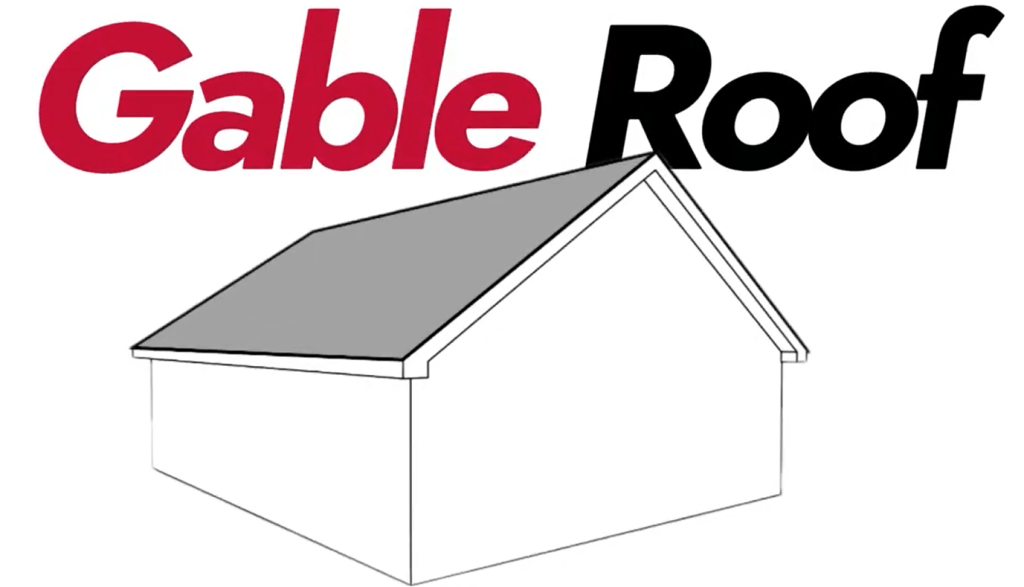
- Best for: Rain and snow drainage for traditional homes
- Pros: Simple and cost-effective
- Cons: Not ideal in high-wind areas
- Works well with: Asphalt shingles, wood shakes, metal
Hip Roof
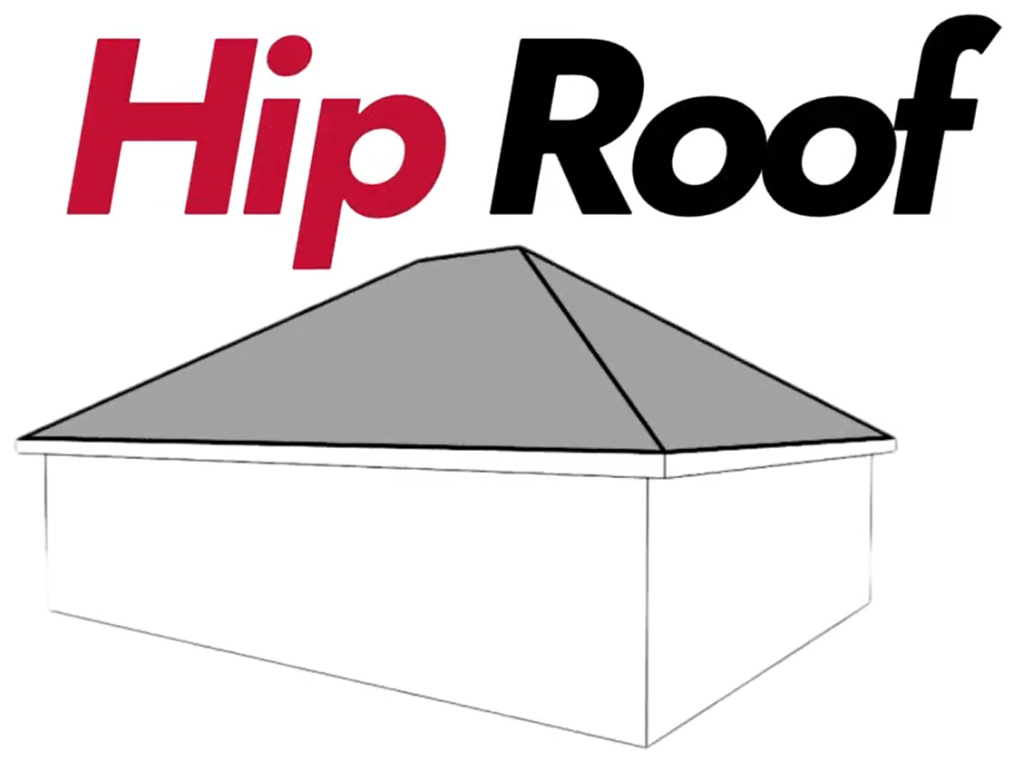
- Best for: Hurricane zones
- Pros: Slopes on all four sides, adds stability and shade
- Works well with: Shingles, tile, or metal roofing
Gambrel Roof
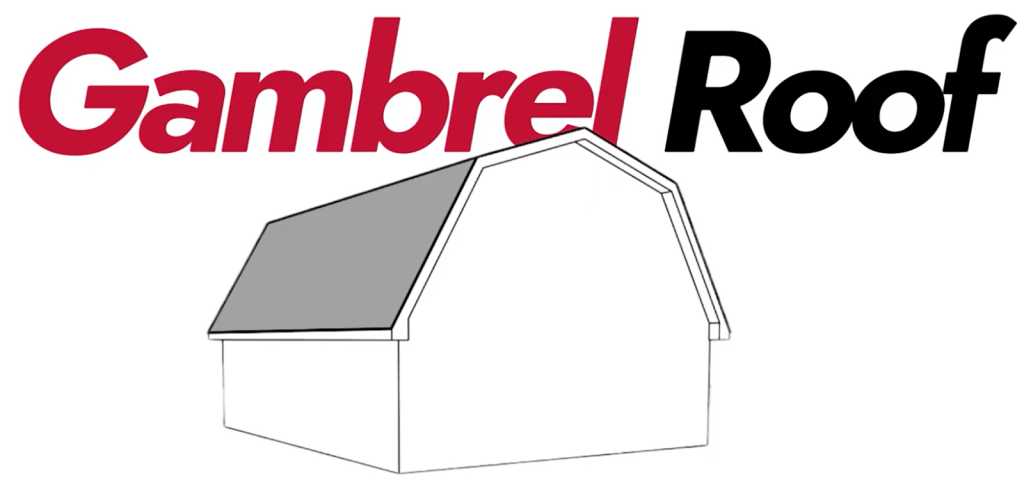
- Best for: Attic space and farmhouse aesthetics
- Pros: Tons of upper-level storage or living space
- Cons: Needs reinforcement in heavy snow
- Works well with: Metal, wood, or asphalt
Mansard Roof
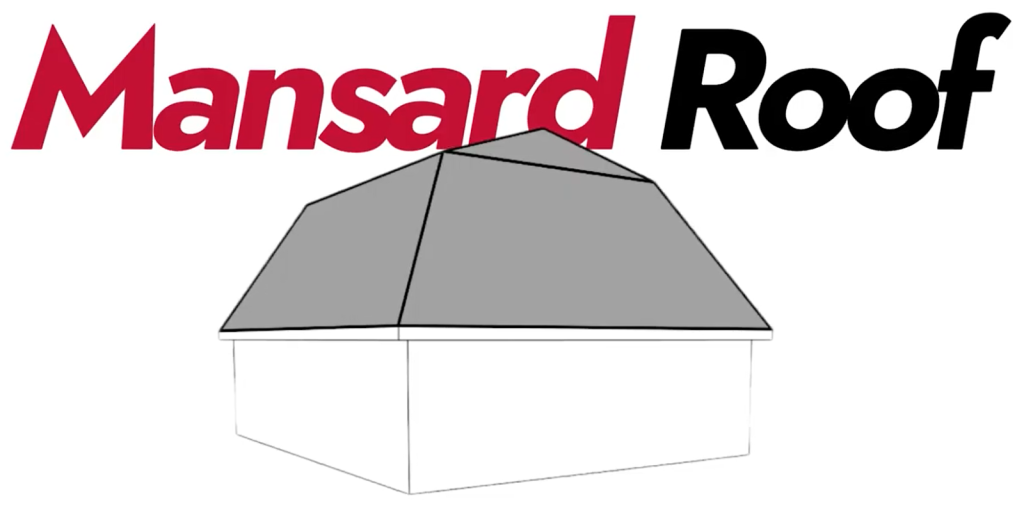
- Best for: Maximizing interior space and creating a unique look
- Pros: Elegant, low maintenance, excellent water runoff
- Works well with: Cedar, slate, or metal
Flat Roof
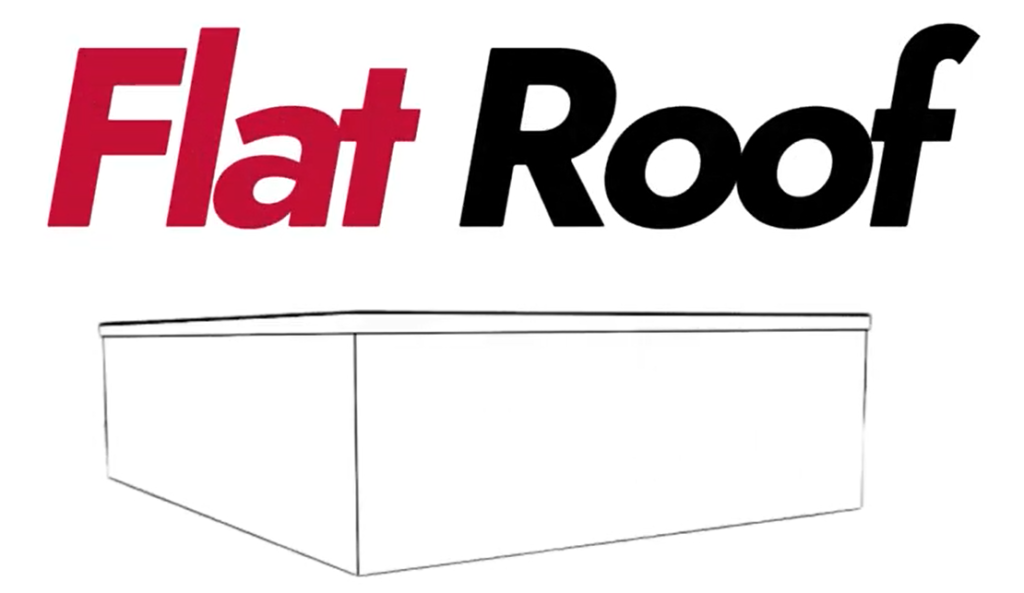
- Best for: Modern homes and commercial buildings
- Pros: Can double as a deck, great for solar
- Cons: Requires excellent waterproofing
- Works well with: TPO, EPDM, fiberglass
Which Roofing Material Is Best for Your Needs?
Here’s a breakdown of the most common roofing materials I recommend to clients:
Asphalt Shingles
- Most affordable
- Comes in a variety of styles and shapes
- Typically last 20–30 years
- Great all-purpose option for many climates
Metal Roofing
- Extremely durable—can last up to 70 years
- Excellent for harsh weather
- Available in a variety of colors
- Add snow guards to prevent snow from sliding off
Slate Roofing
- Natural stone; incredibly durable
- Can last up to 100 years
- Higher upfront cost, but worth it for long-term performance
Clay or Concrete Tile
- Perfect for hot climates
- Very heavy and has a very long lifespan
Synthetic or Composite Roofing
- Looks like slate, but costs less
- Low maintenance
- Lightweight and versatile
Wood Shakes
- Natural and rustic look
- Shorter lifespan than slate, but a beautiful option for cottage or historic homes
- Options include heavy hand splits, royal cuts, and tapered shakes; each can be matched to your home’s style
TPO (Thermoplastic Polyolefin)
- Many homeowners get it in white, but it comes in a variety of colors
- Best for flat roofs
- Welded together
- Affordable
- Lifespan may vary
EPDM (Ethylene Propylene Diene Terpolymer)
You’ll typically find EPDM on:
- Hospitals
- Schools
- Libraries
- In some rare instances, homes
Before we put EPDM or TPO down, we first install an insulating barrier between the plywood (which is the substrate) and the roofing membrane.
We use paper-faced insulation that’s screwed into the roof. Then we take bonding adhesive and actually glue the roofing membrane on top.
Modified Bitumen (Mod Bit)
- Durable, asphalt-based material
- Commonly used on flat or low-slope roofs
- Excellent waterproofing
- More resistant to foot traffic than other flat roof materials
- Works well in areas with fluctuating temperatures
- Lifespan varies, but generally lasts 10–20 years
How Do I Know Which Roofing Type Fits My Home’s Style?
Matching your roof to your house style can make a huge difference.
Have us come out! Our roofing team will evaluate your home and help you decide what type of roofing style works best.
Contact William Penn Roofing & Exteriors to get your free quote and roofing evaluation.
Climate Factors: What Roof Type Works Best in Your Region?
When it comes to installing a new roof, your location matters. Here’s how your region may affect the best roofing style for your home:
Northeast
- Expect snow
- Go with steep roofs
- Asphalt, metal, or cedar work well
Southeast
- Hurricane-prone
- I would go with a hip roof made of asphalt or metal
Southwest
- Extreme heat is common
- Clay tile and flat roofs are excellent options
Pacific Northwest
- Heavy rainfall
- Gable roofs with asphalt or composite are great choices
Midwest
- A mix of weather conditions
- Asphalt, metal, and gambrel roofs all work well
Need Help Choosing the Right Roof?
At the end of the day, it all comes down to your goals, budget, lifestyle, and what your spouse tells you to get!
If you’re still not sure, here’s what I recommend:
- Try our Roof Visualizer Tool. You can go on our website and use the roof visualizer tool to see what the actual roof will look like on your home.
- Get in touch with us. We’ll come out and give you a comprehensive roof evaluation. We’ll look at the chimney, the roof, and the gutters, and help you decide the next best step for your project.
- Compare warranties, lifespan, and maintenance requirements.
If you need more help comparing different roofing styles, check out my full roofing video playlist.
Find the Perfect Roof with William Penn Roofing & Exteriors
If you’re ready to find the perfect roof for your home, climate, and budget, William Penn Roofing & Exteriors is here to help. With personalized roof evaluations and expert recommendations, we take the guesswork out of your decision-making process.
Your roof is one of the most important systems in your home, so don’t take this decision lightly. Contact us today to schedule your free quote and find the perfect fit.